Column · @trentonjdwp032
Architectural Synthetic Roof Covering vs Conventional Products in the Midwest
Anyone who has spent a couple of years watching roofing systems age in the Midwest learns quickly that this region is ruthless. A roof covering right here does not encounter one climate. It encounters every one of them. January can bring ice dams, wind chill, and heavy snow sitting on the eaves for days. April commonly delivers freeze-thaw swings and tough rainfall. Summertime cooks dark surface areas under solid UV direct exposure, after that rolls in hail and straight-line winds. Fall goes down leaves right into valleys and gutters, trapping dampness where weak materials start to fail.
That climate fact is the real backdrop for the discussion around architectural artificial roofing versus traditional products. Property owners are no longer choosing entirely on appearance or preliminary cost. They are weighing weight, weather condition efficiency, upkeep cycles, setup complexity, and how well a roofing system will certainly still care for 10 or twenty Chicago-area winter seasons. In higher-end neighborhoods, that conversation gets back at more certain. People desire the visual splendor of slate, cedar shake, or floor tile, yet they likewise want a system that does not penalize them with constant upkeep.
The increase of premium synthetic roof is not a craze. It is a response to functional problems that standard roofing products have actually always had, specifically in the Midwest.
What "building synthetic roof" in fact means
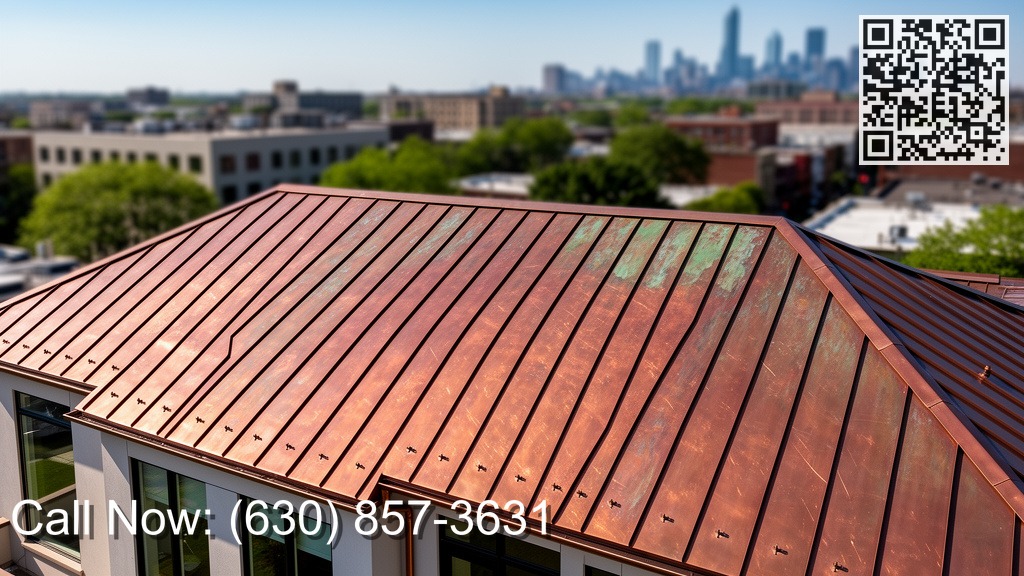
The term gets made use of freely, so it aids to specify it. Building synthetic roof covering normally describes crafted roof covering items developed to replicate the appearance of natural slate, cedar shake, or clay tile while enhancing impact resistance, lowering weight, and simplifying installment. Depending on the producer, these products may be made from sophisticated polymers, recycled composite blends, or various other engineered materials.
Not all artificial roofing systems are produced equal. Some are plainly entry-level options implied to strike a cost factor. Others are true premium artificial roof covering items with deep accounts, molded texture, custom-made shade blending, and accessory items that create a completed, convincing roofline. The difference issues. A deal synthetic tile might look flat and recurring from the street. A reliable architectural item can deceive most individuals until they are standing a couple of feet away.
In sensible terms, the most effective architectural artificial roof intend to address a hard equation. They attempt to maintain the aesthetic charm of tradition products while reducing a few of the liabilities that come with them.
Why the Midwest alters the equation
A roof covering product that executes well in a dry, warm climate might disappoint terribly in Illinois, Wisconsin, Indiana, or Michigan. The Midwest reveals weak points fast.
Natural cedar, for example, can be stunning. Fresh cedar shake has warmth and deepness that property owners enjoy. However on homes shaded by fully grown trees, especially near the lakeshore or in well established rural lots, wetness retention becomes a significant problem. Shakes can cup, split, darken erratically, and welcome moss or algae development. That does not imply cedar is a poor item. It means cedar demands the right setting and mindful maintenance, which not every homeowner is prepared to provide.
Natural slate is another example. Correctly sourced and mounted slate can last a very long time. It brings unequaled prestige. Yet slate is heavy, brittle under foot website traffic, expensive to fix, and unrelenting of installation blunders. In the Midwest, where roofing substitute commonly complies with tornado occasions and insurance policy timelines, finding staffs with true slate know-how can be hard. One lost action on a cold early morning can crack pieces that after that require specific replacement.
Asphalt tiles, the default option throughout much of the area, fix several of these troubles however present others. They come and familiar, and a top quality building asphalt roof shingles continues to be a sensible roofing for many homes. Still, Midwest hail, granular loss, thermal biking, and wind exposure can reduce real-life performance compared to what home owners anticipate when they listen to a long service warranty term.
That is why domestic synthetic roofing has taken a growing location out there. It sits in between aspiration and practicality.
How synthetic roofing compares to asphalt, cedar, slate, and tile
The best instance for artificial roof tiles is not that they beat every typical material in every classification. They do not. The instance is that they frequently execute much better throughout the categories that matter most to Midwest homeowners.
Asphalt shingles still win on entry cost. If budget is the initial and overriding worry, asphalt continues to be one of the most usual answer. A home owner changing a normal suv roof after storm damage can usually keep prices within a familiar array with laminated tiles. Yet the long-lasting photo can change if repeated repair services, shorter service life, or visual constraints matter.
Cedar delivers beauty that is tough to phony when it is new. On historical homes and specific architectural styles, it looks precisely right. Yet its upkeep concern is genuine. In neighborhoods with hefty tree cover, I have seen cedar roofings start showing uneven wear well before proprietors expected it. As soon as splitting and moisture biking accelerate, the roofing system can go from "weather-beaten and handsome" to "exhausted and prone" faster than lots of people prepare for.
Slate is still the criteria for eminence, yet it brings structural and logistical factors to consider. Some homes need support to support it. Repair calls for knowledgeable hands. Blinking details become vital. The product itself can outlive lots of various other parts of your home, but just if the entire system is treated keeping that same level of care.
Clay and concrete tile are much less usual in the upper Midwest than in warmer regions, partly due to style fit and partially due to the fact that freeze-thaw problems can be penalizing. Floor tile additionally adds weight and complexity, and it does not make sense on every roofing system structure.
Architectural synthetic roofing enters that mix as a lower-weight, typically impact-rated choice that can imitate slate or tremble convincingly while tolerating Midwest weather much better than several proprietors anticipate. A well-chosen artificial roofing replacement can supply the aesthetic statement of a luxury roofing without requiring the home to bring the structural load or the very same upkeep demands of all-natural materials.
Appearance, and the inquiry property owners hardly ever ask correctly
Most individuals ask whether artificial roof looks "genuine." That is understandable, yet it is not quite the right question. The much better concern is whether it looks appropriate on the house.
An excellent roofing is not just an isolated item. It has to fit the scale, design, house siding texture, stonework color, home window trim, and even the profile of the gutters and flashing. Some synthetic products have hefty darkness lines and varied sizes that match a Tudor, French country, or lakefront personalized home perfectly. Others look too consistent for a high-end build and can in fact undervalue the outside if the pattern repeats as well obviously.
This is specifically essential with artificial roof covering for deluxe homes. Purchasers at the top of the market notification information. They might not determine the maker from the driveway, but they can tell when a roof covering feels flat, shiny, or disproportionate. The most effective premium synthetic roof covering products avoid that trouble by blending sizes, shocking discloses, and making use of mixed pigmentation that looks like all-natural aging instead of a factory-printed monotone.
In areas such as Naperville, Hinsdale, Lake Woodland, and parts of the North Coast, roofing system selection frequently converges with design review requirements, neighborhood expectations, and resale positioning. A property owner looking for synthetic roofing Naperville IL is typically not seeking the least expensive roofing system readily available. They are looking for the appropriate visual end result with fewer migraines over time.
Weight issues greater than many people realize
Structural load is not an attractive topic, however it drives many roof covering choices behind the scenes. All-natural slate and tile can consider a number of times greater than asphalt or several synthetic alternatives. On a brand-new custom build, an architect and engineer can prepare for that from the first day. On an existing home, the story is different.
I have seen property owners fall in love with the appearance of slate, only to learn that bringing their framing up to the necessary capability would add a significant price prior to a solitary roof ceramic tile was mounted. That sort of discovery can thwart a project quick. Artificial roofing systems usually protect the wanted look while preventing reinforcement work.
Lower weight likewise aids in subtler ways. It can lower anxiety on older framework members, simplify staging and taking care of on website, and make certain roofing styles much more practical to carry out. It does not get rid of the demand for knowledgeable labor, yet it broadens what is viable on an existing Midwest home.
Hail, wind, and impact resistance
This is where synthetic roofings typically gain their maintain. In the Midwest, tornado performance is not theoretical. Hailstorm cases are common enough that property owners and insurance companies both pay close attention to effect resistance ratings.
Many costs artificial roof products are crafted to accomplish high effect resistance, frequently far better than all-natural slate or cedar, which can split, split, or bruise under hail. That does not suggest an artificial roof is indestructible. Large enough hail can damage almost anything. However on equilibrium, well-made artificial materials tend to take in influence more forgivingly than breakable natural products.
Wind efficiency is likewise considerable in open country growths and on homes near areas, fairway, or lakefront direct exposures. Typical materials can fall short at fasteners, sides, or private items when uplift forces discover a powerlessness. An appropriately designed artificial roofing system installment, paired with the correct underlayment and device elements, can do very well in those conditions.
The catch is "appropriately designed." A premium item mounted carelessly will not meet its promise. That is why the selection of artificial roofer matters nearly as long as the product itself.
Installation high quality is not a side issue
Homeowners often shop roof items as if setup were compatible. It is not. A synthetic roof covering business that understands the product line, local code requirements, incline shifts, ventilation, blinking information, snow and ice patterns, and manufacturer-specific devices will produce a substantially different result than a team attempting the product for the second or third time.
This comes up commonly in artificial roof Chicago projects. Chicago and the bordering suburban areas have a significant range of real estate stock, from small cottages to steep-roofed historic homes to huge custom houses with complicated valleys, dormers, and converging roofing aircrafts. Synthetic products can deal with that selection well, but only if layout and detailing https://erickyjkg563.swiftnestly.com/posts/selecting-an-artificial-roof-business-for-midwest-climate-protection are done thoughtfully.
A competent synthetic professional roofer Chicagoland property owners trust fund will usually start by looking beyond the surface product. They examine attic room air flow, deck condition, flashing at masonry transitions, seamless gutter technique, ice-and-water protection, and whether snow guards or particular accessory items make good sense. They additionally focus on aesthetic details. Exposure lines, starter placement, ridge treatment, and color choice can make the difference in between a roof covering that looks refined and one that simply looks expensive.
When people work with synthetic roofing system installers based only on the lowest proposal, issues have a tendency to show up in the information first. Misaligned training courses, unpleasant valley shifts, inexpensive flashing steels, and inconsistent fastening patterns have a method of emerging within a few seasons.
Maintenance facts over time
One of the largest arguments for synthetic roof substitute is reduced maintenance compared with natural cedar or slate. That disagreement is generally fair, yet it ought to be mentioned carefully.
Synthetic roof coverings are reduced upkeep, not no maintenance. Rain gutters still need cleansing. Valleys still gather debris. Flashings still deserve regular assessment. Sealants around relevant roofing penetrations will certainly not last forever even if the area material is synthetic. Branches scratching the roofing can still develop aesthetic wear. Ice dam problems can still create if the attic is inadequately protected and ventilated.
What changes is the susceptability of the field product itself. An artificial slate or drink item is usually less most likely to divide, rot, peel, or crack under common seasonal anxiety than natural timber or rock choices. For several homeowners, that lower maintenance profile is the factor. They desire the architectural look without needing to baby the roof.
Cost, and where individuals frequently misread value
It is very easy to contrast roof covering proposals by taking a look at the total at the end of the page. It is harder, and more useful, to compare value over twenty or thirty years.
Synthetic roofing systems generally set you back more in advance than basic asphalt roof shingles. They usually cost less than top-tier natural slate or premium cedar installations, particularly when you factor in architectural support, specialized labor, and lasting upkeep. That puts building artificial roof covering in a middle-to-upper rate that attract house owners preparing to stay, maintain aesthetics, and lower lifecycle headaches.
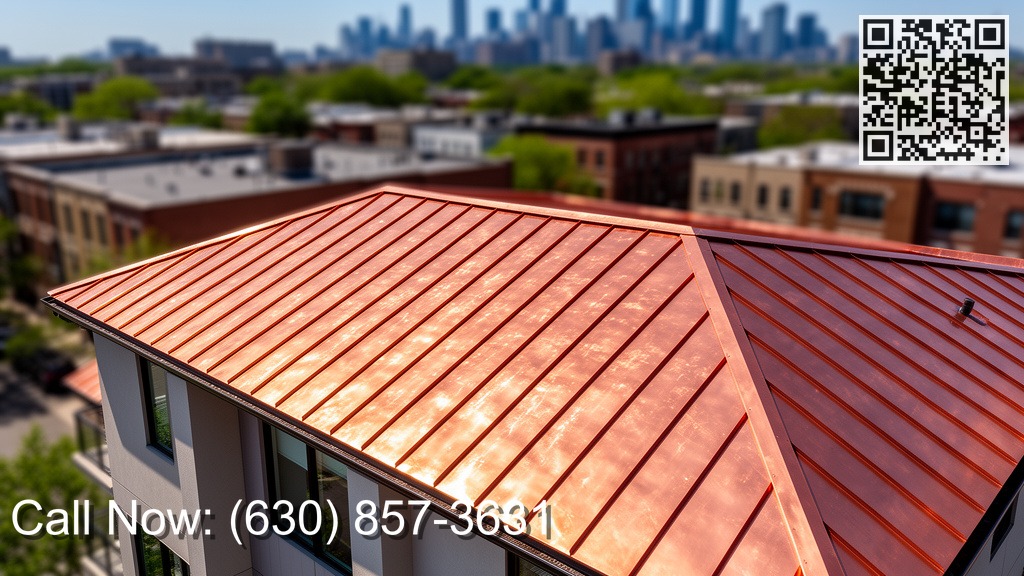
The blunder I see usually is treating every synthetic choice as if it belongs in the exact same pail. It does not. There is a real spread in product high quality, thickness, realistic look, guarantee terms, and accessory efficiency. Some producers supply robust system-based packages. Others mainly provide area roof shingles and leave installers to improvise side and detail conditions. That can impact both appearance and durability.
For a house owner comparing proposals, the most valuable questions generally involve the whole system, not just the visible tile or tile.
- What underlayment bundle is included, specifically at eaves, valleys, and penetrations?
- Are flashings being changed totally, or recycled where convenient?
- Does the installer have significant experience with this particular synthetic product?
- Are ridge, hip, and starter devices matched to the system?
- How will certainly air flow be resolved as part of the replacement?
Those solutions frequently expose extra regarding long-lasting worth than the product label alone.
Where typical materials still make sense
It would certainly be lazy to act artificial roof coverings are constantly the best solution. They are not.
For a rigorous historic restoration, all-natural materials might be called for or merely more appropriate. Some landmarked homes must have real slate or cedar because that belongs to their architectural identity. In various other cases, a homeowner might genuinely value the aging and aging characteristics of natural materials, also recognizing the added maintenance they bring.
Budget also matters. If a family needs a dependable roofing system at the most convenient upfront cost, a well-installed asphalt system may be the most rational selection. There is absolutely nothing inherently wrong with that said. Roof covering choices should fit both your home and the property owner's priorities.
There are likewise design constraints. Some homes do not take advantage of an artificial slate or drink profile because their design is as well plain, as well low-pitched, or as well small in scale for that product language to look natural. A roofing system should boost the house, not outfit it.
Where synthetic roofing often tends to shine
The greatest prospects for property artificial roof covering are homes where appearance issues, storms are a worry, and the owner desires a longer-term product without the weight and maintenance of standard high-end products.
That frequently consists of personalized homes, upper-end country houses, remodelled historic-looking homes, and homes with intricate roofing geometry where cedar or slate would drive expenses greatly higher. It additionally consists of home owners that have actually currently lived through the drawback of an additional material. A person that has actually replaced storm-damaged asphalt twice in fifteen years, or spent years keeping an aging cedar roofing system, tends to recognize the appeal quickly.
In the Chicago region, artificial roof have found a specifically good fit on homes that want the aesthetic personality of quaint products while standing much better to hail, wind, and wintertime dampness. That holds true from city neighborhoods with masonry-heavy architecture to western residential areas where big homes rest subjected to weather across open lots.
Choosing the right service provider in the Midwest
The product choice and the professional choice ought to happen together. A fantastic item on the wrong home, or in the incorrect hands, can let down. A thoughtful professional tightens that danger by matching product, incline, blinking method, air flow, and visual details to the real property.
A qualified synthetic professional roofer need to be able to clarify why one item is a much better fit than one more without slipping into sales clichés. They ought to talk conveniently regarding freeze-thaw problems, ice protection, attic room airflow, ridge details, snow losing behavior, and use years down the road. They should likewise have a profile with homes similar to your own, not just common producer photos.
For house owners contrasting a synthetic roof company versus typical contractors that only sometimes mount synthetics, experience issues. This group of roof is fully grown enough since there is no reason to accept on-the-job experimentation.
The Midwest verdict
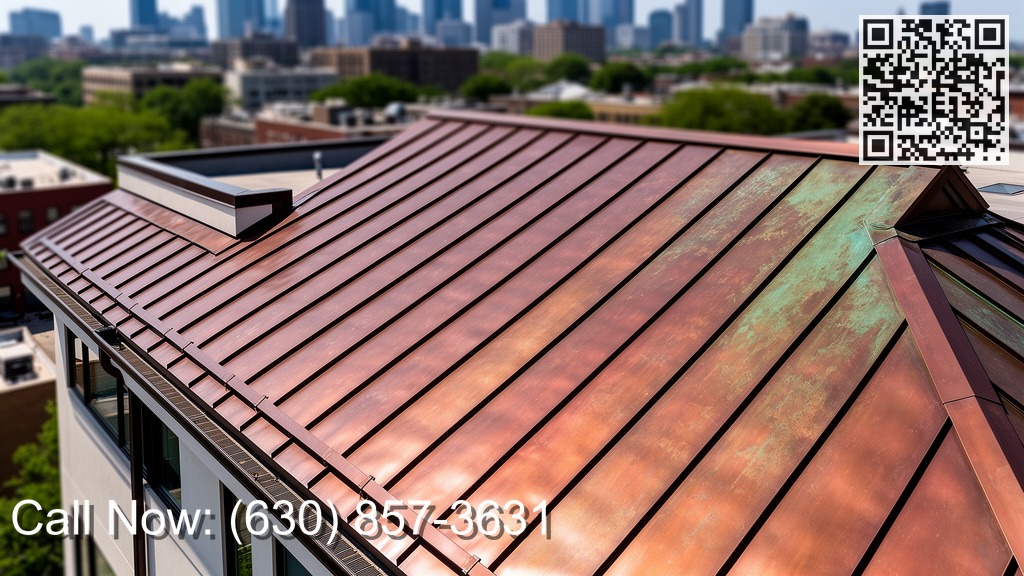
Architectural artificial roof covering has earned its location since it answers a genuine regional need. It offers house owners a way to capture the depth and difference of slate, shake, or tile aesthetics without soaking up every downside those materials can bring in a Midwest environment. It is not the most inexpensive route, and it is not constantly the most traditionally genuine path. Yet it is often the most balanced one.
For numerous homes, particularly those seeking costs aesthetic charm and practical longevity, artificial roofings supply an engaging middle path. They reduce weight, usually improve influence resistance, and reduced regular upkeep while maintaining a premium building appearance. When paired with a strong style fit and a disciplined synthetic roofing system installation, the result can be a roofing system that feels both substantial and sensible.
That balance is what makes synthetic roofing Chicago property owners significantly request, and what maintains it growing across the more comprehensive area. In a climate that exposes every weakness one way or another, balance issues. A roof covering needs to look right, but it also needs to keep verifying itself after the uniqueness is gone, after the tornados come through, and after one more wintertime works out over the Midwest.
When Quality Matters
Salvo Architectural Roofing Contractors
566 West 5th Ave Naperville, IL 60563
(630) 857-3631
 Ask ChatGPT
 Ask Grok
 Ask Perplexity
 Ask Claude
 Ask Google AI
 Ask You